Your Degree is Great, but Can You Actually Survive the Real World?
Imagine spending four years at university, staying up until 3 a.m. to finish assignments, giving presentations you barely had time to prepare for, surviving group projects where one person somehow ends up doing all the work, and drinking enough coffee to keep you awake for days.
Then you graduate, walk into your first interview, and someone asks:
“So, what can you actually do?”
That question is where the real challenge begins.
A university education should be about more than earning a degree. Of course, academic knowledge matters, but you also need to learn how to communicate clearly, work with others, solve problems, think critically, take responsibility, and deal with situations that don’t go according to plan.
This is where skill and leadership development becomes important.
A Skill and Leadership Development program can give you opportunities to learn things that cannot always be taught through textbooks or lectures. Workshops, mentoring sessions, teamwork, public speaking, problem-solving activities, and leadership projects can help you discover your strengths, build confidence, and develop skills you may not even realize you have.
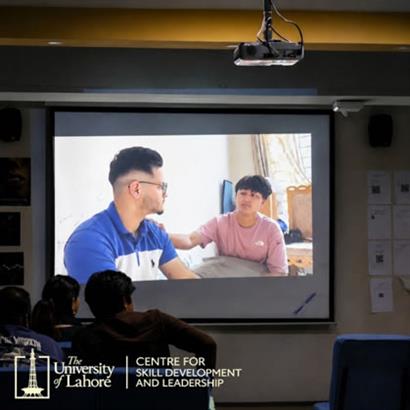
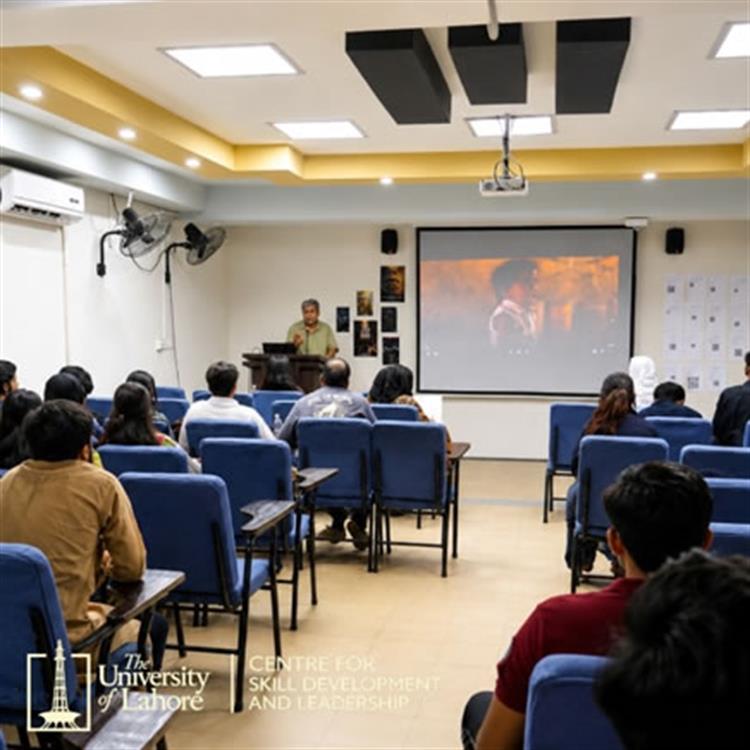
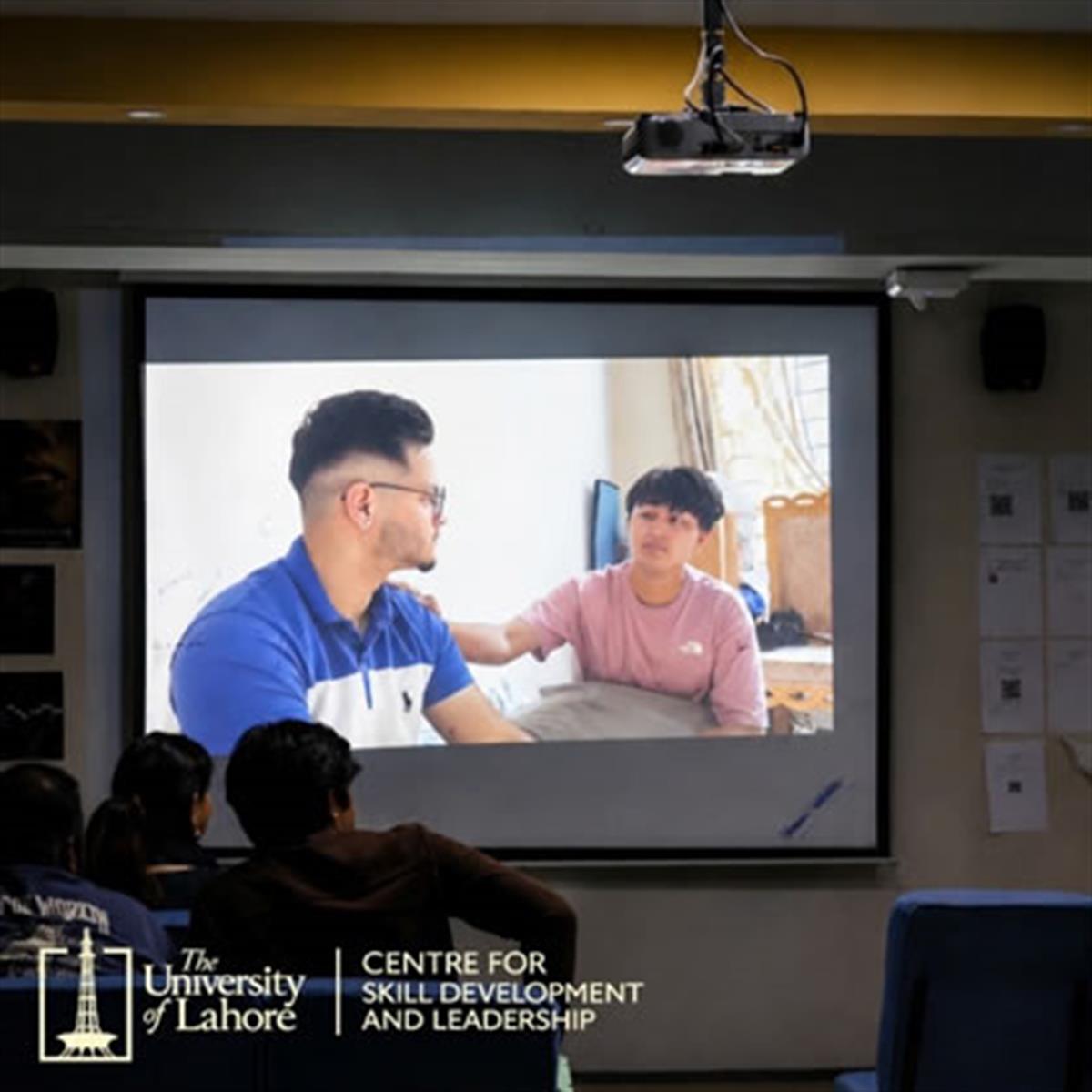
The Centre for Skill Development and Leadership (CSDL) at The University of Lahore (UOL) is a good example of how universities can create these opportunities. Through different activities and events, CSDL has provided students with platforms to develop skills outside the traditional classroom.
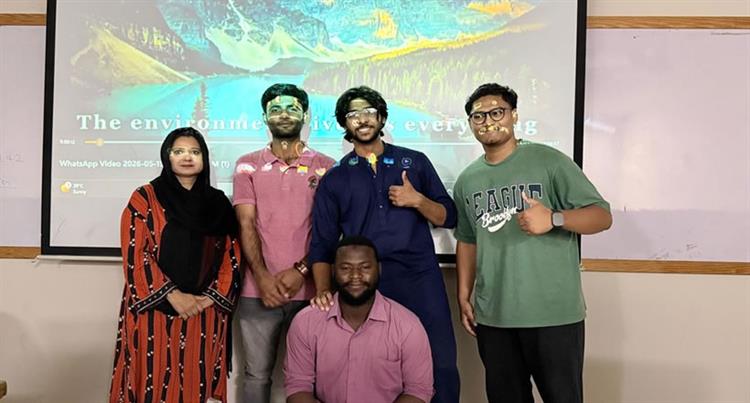
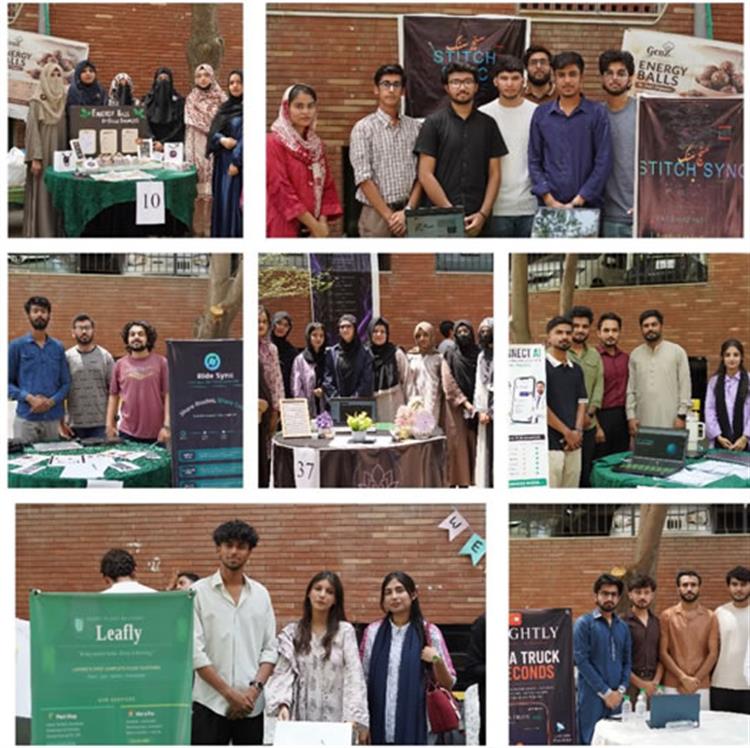
Entrepreneurship events, for example, have encourages students to turn their ideas into small businesses and actually promote their products and services. These activities give students a chance to experience what entrepreneurship looks like in the real world; communicating with customers, presenting ideas, and having the confidence to put yourself out there.
Students have also been given opportunities to participate in English debates, where they learn to express their opinions, build arguments, listen to opposing views, and speak confidently in front of an audience. These are skills that can be useful long after you leave the university.
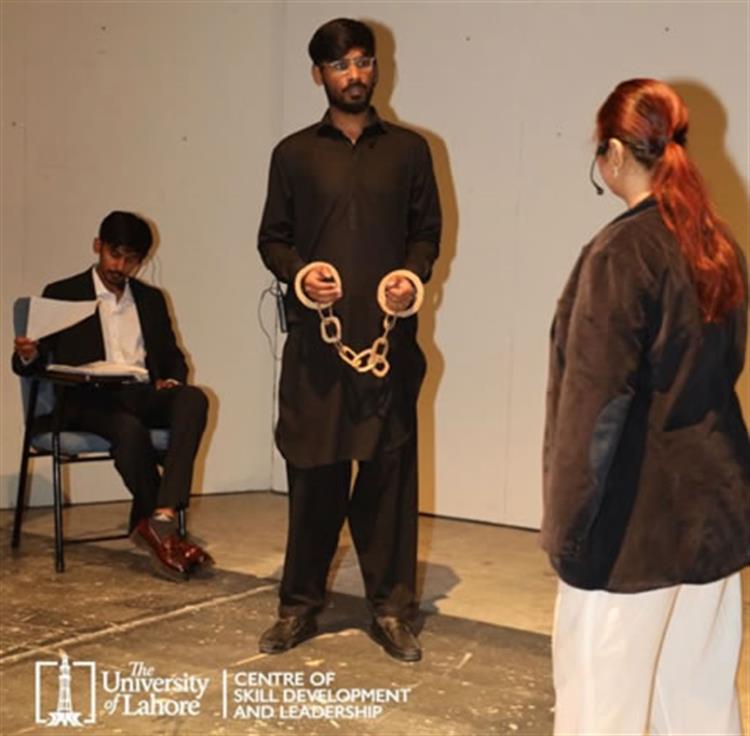
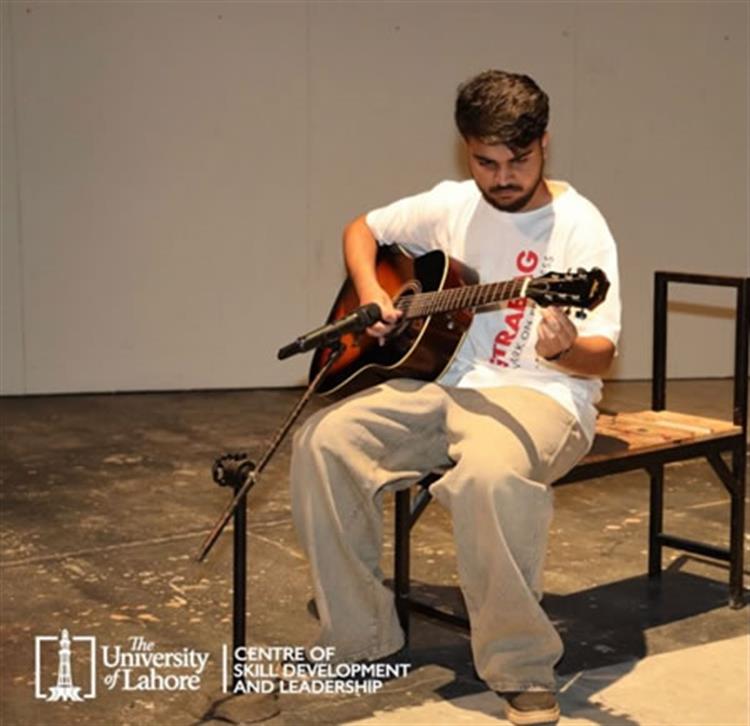
Then there are dramatics and performing arts, which may seem very different from traditional academic learning but teach you valuable lessons about teamwork, creativity, and confidence. Standing in front of an audience and performing isn’t easy, and neither is working with a team to put together a successful production.
And, let’s be honest, knowing the theory of leadership is one thing, actually building a team is something completely different. Especially when three team members are silent, one has no idea what is happening, and another suddenly disappears the night before the deadline.
These experiences, although sometimes frustrating, teach you valuable lessons. You learn how to communicate with different personalities, manage disagreements, make decisions, take initiative, and stay calm when things go wrong.
These skills also matter when you enter the job market. Employers are not simply looking for graduates who can memorize information and reproduce it in an exam, they want people who can communicate their ideas, work effectively with others, adapt to change, and think on their feet.
Universities, therefore, have an important role to play in preparing students for life beyond the classroom. Giving students opportunities to develop practical skills alongside academic knowledge can make the transition from university to professional life much easier.
Because, at the end of the day, a degree may open the door, but your skills, confidence, and leadership are what help you walk through it.